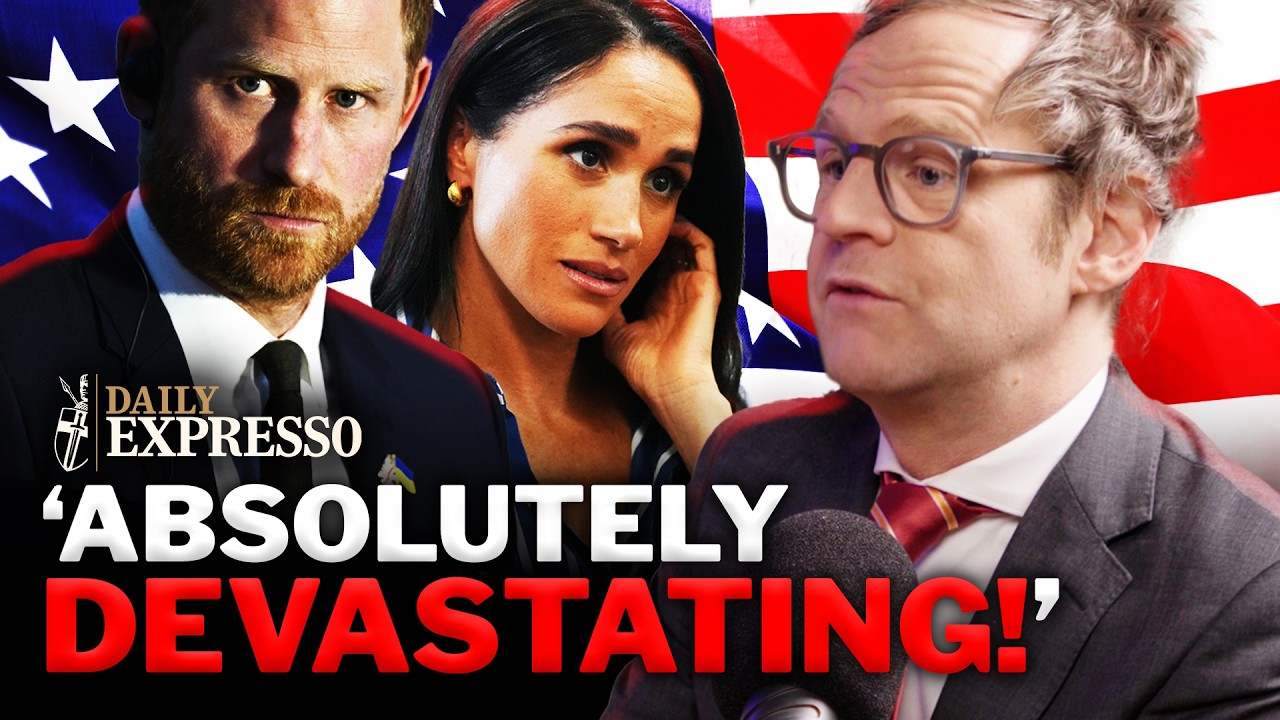
 The historic visit by King Charles to the U.S. was expected to unify the British monarchy and strengthen diplomatic ties, yet instead, it has spotlighted a devastating family feud. Sources reveal that Harry is completely excluded from any official engagements or private meetings with the King. This cold shoulder is not only personal but symbolically crushing.
Reports indicate the palace is furious with Harry following recent controversial actions, including a politically charged trip to Ukraine and a failed public reception in Australia. Harry’s public criticisms of King Charles’s parenting and his overt attempts to maintain a royal image outside official channels have enraged the establishment, sealing his exclusion.
The decision to bar Harry from participating in any aspect of the state visit confirms the depth of estrangement. Despite being physically present in the same country and city, Harry won’t even have the opportunity for a private moment with his father. This unprecedented distance underscores a collapse in communication and family reconciliation.
This snub also hints at the rising influence of Prince William on King Charles’s decisions, as tensions between the siblings continue to escalate. The elder brother, reportedly estranged from Harry, has gained favor with the King, signaling a royal family increasingly divided along lines of loyalty and conduct.
The state visit itself carries immense geopolitical weight, given current strains in the “special relationship” between the U.K. and the United States. King Charles faces the formidable challenge of repairing diplomatic ties amid domestic turmoil in both nations, including economic instability and political unrest.
Alongside this family 𝒹𝓇𝒶𝓂𝒶, tensions between King Charles and the U.S. administration muddy the waters further. Donald Trump’s disdain for the current British leadership adds volatility, while King Charles must navigate sensitive issues like the Falkland Islands and ongoing international conflicts with diplomatic finesse.
Amid threats and headlines – hallmark tactics of the Trump era – the King is expected to lean heavily on his diplomatic heritage to mend fences. His extensive experience and his late mother Queen Elizabeth’s legacy provide a sturdy foundation to attempt restoration of trust and cooperation between the allies.
Meanwhile, Meghan Markle remains sidelined alongside Harry, with no invitation to key official events or the embassy garden party, further symbolizing their royal exile. The couple’s hopes to regain favor and public legitimacy have thus faced a harsh setback within this highly choreographed state 𝒶𝒻𝒻𝒶𝒾𝓇.
Observers point out that the King’s refusal to include Harry and Meghan marks a strategic, calculated message to both the family and the world: public breaches of protocol and royal dignity meet with stern consequences. This cold stance serves as a warning to all who would challenge the monarchy’s authority.
This unprecedented royal estrangement at a time of international significance exposes the fragile veneer of monarchy diplomacy. What should have been a unifying and historic tour now reads as a stark display of division, with Harry’s banishment echoing loudly beyond palace walls into global headlines.
Despite the personal anguish this causes, palace insiders suggest King Charles retains a soft spot for Harry but feels compelled to uphold institutional respect and order, influenced heavily by William’s counsel. The royal household’s unity is demonstrably fragile and facing a profound crisis that could shape its future trajectory.
As King Charles undertakes this pivotal state visit, the absence of his youngest son in any capacity is emblematic of the broader challenges confronting the British royal family — balancing tradition, modern scrutiny, and internal conflict at a time when global optics matter more than ever.
The ongoing public narrative surrounding Harry’s exclusion is expected to fuel further media frenzy and public debate about the monarchy’s relevance and internal dynamics. How this rift impacts the royal brand and diplomatic relations remains to be seen, but the immediate message is clear: reconciliation is not forthcoming.

With political tensions mounting on both sides of the Atlantic, including contentious U.K. domestic issues and America’s polarized climate, King Charles’s visit is a high-stakes diplomatic mission complicated by family discord. His success or failure here could redefine the monarchy’s role on the world stage in the coming years.
The snub of Prince Harry during this historically significant state visit is extraordinary and unprecedented. Experts agree that barring him from participation signals a deeply personal and institutional fracture that challenges notions of familial loyalty, duty, and public image within the royal sphere.
As the King presses forward with his itinerary, focusing on bolstering the “special relationship” and addressing geopolitical concerns, the conspicuous absence of Harry looms large. This event will be remembered not only for its diplomatic ambitions but also for exposing royal family tensions to the global spotlight.
In this unfolding saga, only time will reveal whether Harry and King Charles can bridge the divide or if this dramatic exclusion marks a permanent estrangement, with far-reaching consequences for the monarchy’s future, royal family dynamics, and the perception of the Crown worldwide.