Pooh Shiesty has been arrested following 𝒶𝓁𝓁𝑒𝑔𝒶𝓉𝒾𝓸𝓃𝓈 that he robbed fellow rapper Gucci Mane, sparking a firestorm in the hip-hop community. Ceddy Nash, known for his blunt and fiery commentary, has publicly declared the incident “over,” signaling a dramatic shift and erupting tensions within the rap world right now.
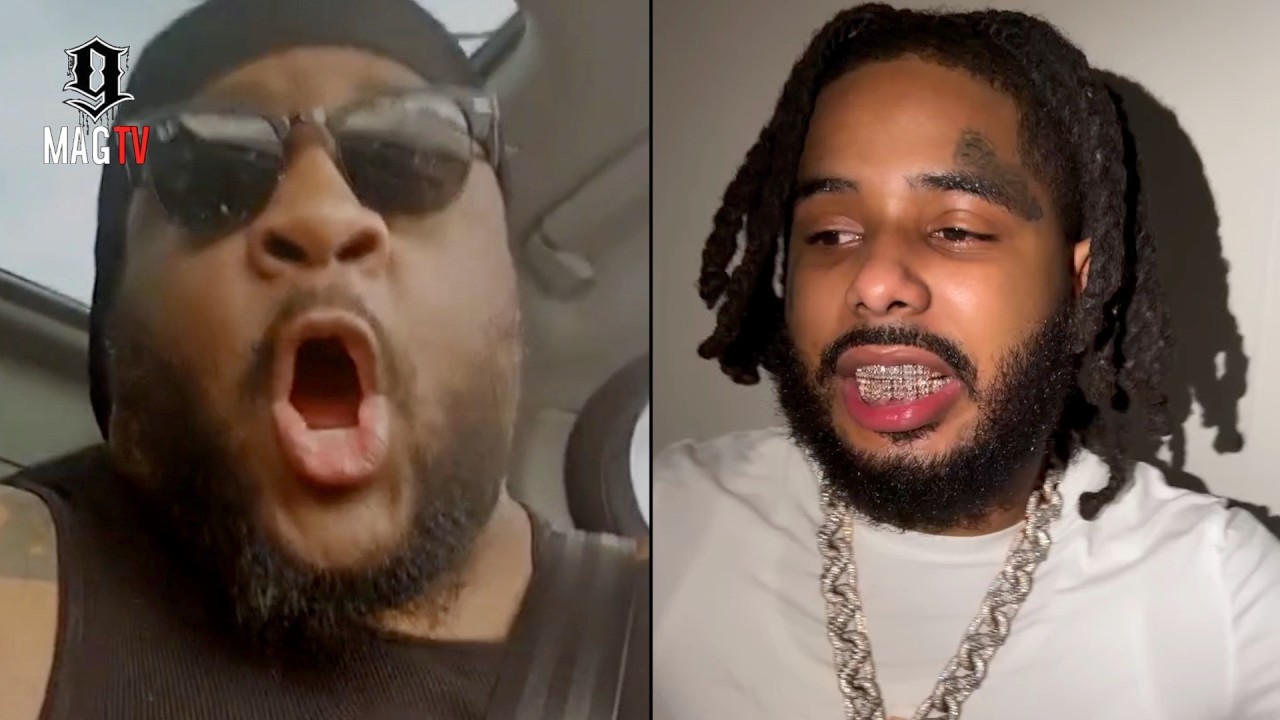
The news broke like a bombshell, instantly sending shockwaves through social media and music circles. Ceddy Nash didn’t hold back, unleashing a scathing rant condemning the entire episode and the involved artists. His outrage centered not just on the arrest but on the broader culture of street politics within rap.
“I told y’all it’s over,” Nash repeated with relentless intensity, emphasizing the gravity of the fallout. His message was clear: the 𝒹𝓇𝒶𝓂𝒶 has crossed a line no one should ignore. He expressed deep frustration, suggesting that this could mark an end to his alliances with fellow rappers amid escalating conflicts.
Nash’s tirade touched on loyalty, street credibility, and the consequences of these violent moves within the industry. He blasted the rappers involved as “the dumbest ever,” lamenting a blatant disregard for advice and warnings he claims he’s given repeatedly. His fury echoed a warning against repeating such dangerous mistakes.
The rapper turned commentator underscored his own entanglement with law enforcement, hinting at constant surveillance and a high-stakes game of survival he’s navigated alone. Nash portrayed himself as a hardened figure schooled in handling the feds—unlike others who, he insinuated, will now face harsh penalties.

At the heart of Nash’s breakdown was the alleged robbery itself. He claimed the conflict could have been entirely avoided if the stolen jewelry was returned promptly. Instead, the situation escalated to the point of multiple arrests and once again spotlighted the violent risks embedded in rap’s underground dealings.
Nash lambasted the media and fans alike, accusing them of misunderstanding street realities and glorifying reckless behavior. He lamented that many rappers prioritize “white approval” over street wisdom, leading to avoidable chaos and legal peril. His words cut deeply at the cultural divides fueling this crisis.
Amidst his rage, Nash revealed a sense of exhaustion and disillusionment. He declared a possible retreat from his public role, hinting at a shift towards more mainstream, corporate ventures far removed from the “street” narratives that have defined his commentary. This moment feels like a breaking point.
Despite his frustration, Nash gave a nod to Wack 100, a music executive who previously warned him against immersing too deeply in street 𝒹𝓇𝒶𝓂𝒶. This acknowledgment added nuance to Nash’s anger, showing that some industry voices have long cautioned against the path leading to incidents like Pooh Shiesty’s downfall.

The gravity of this 𝒔𝒄𝒂𝓃𝒅𝒂𝓁 resonates beyond individual reputations. Nash emphasized the ripple effects—families impacted, real jail time looming, and the erosion of trust in a community already shadowed by violence. The arrest threatens not only careers but also the fragile alliances that hold this subculture together.
He also hinted at other violent episodes unfolding quietly within the rap scene, including unresolved robberies and turf disputes rarely reported but deeply felt among insiders. Nash accused his peers of ignoring critical warnings and failing to protect themselves amid escalating street dangers.
Ceddy Nash’s outburst arrives at a volatile moment, as law enforcement continues cracking down on high-profile rappers, blurring the lines between crime and entertainment. His warnings reflect a harsh reality behind the glamor—a survival struggle where one misstep can lead to ruin.

This incident underscores the urgent need for critical reflection within hip-hop culture. Nash’s frustration reveals the stakes: lives, freedom, and legacies hang in the balance. The underlying message is clear—continuing on this reckless trajectory invites more tragic consequences.
The arrest of Pooh Shiesty marks more than just another headline; it is a flashpoint illuminating fractures within rap’s ecosystem. As Ceddy Nash vocalizes the fallout with raw emotion, it becomes evident the scene faces a pivotal moment of reckoning. Changes may be unavoidable to prevent further devastation.
Industry watchers and fans alike are now bracing for reverberations from this case, which threatens to redefine loyalties and power dynamics in hip-hop. Nash’s blunt assessment ignites urgent debate on whether the culture can reconcile its street roots with the realities of legal accountability.
With tensions soaring, stakeholders must navigate a complex web of alliances, reputations, and survival instincts. The consequences of Pooh Shiesty’s arrest ripple far beyond the individual, serving as a cautionary tale with immediate and long-term implications for the rap world.
As this story rapidly develops, the eyes of the music community remain fixed on how these controversies will unfold. Ceddy Nash’s stark declaration that “it’s over” encapsulates a moment charged with anger, regret, and the possibility of transformative change in hip-hop’s tumultuous landscape.